The Rise of Electric and Hybrid Vehicles in Indonesia
As environmental concerns grow and technology advances, the automotive industry in Indonesia is witnessing a significant transformation with the rise of electric and hybrid vehicles. These vehicles promise not only to reduce greenhouse gas emissions but also to provide a more sustainable mode of transportation, addressing both consumer needs and environmental responsibilities. The increasing availability and affordability of electric vehicle (EV) technology are changing the dynamics of the market, with an emphasis on efficiency, lower running costs, and innovative features. For comprehensive insights on this evolving market, you can visit 7meter, a dedicated resource for electric and hybrid vehicles in Indonesia.
1. Overview of the Electric Vehicle Market
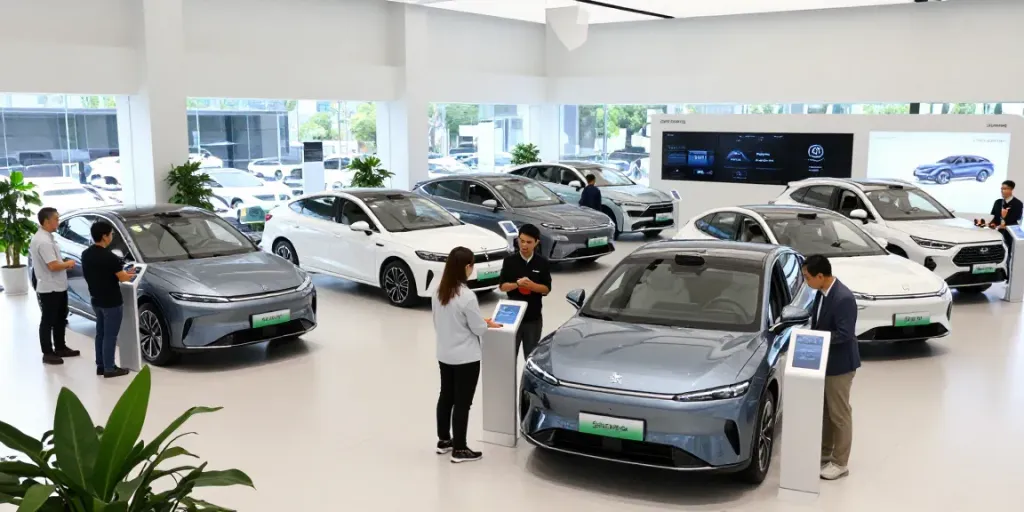
The electric vehicle market in Indonesia has been on an upward trajectory, especially with government initiatives promoting cleaner transport solutions. With a diverse range of models from international and local manufacturers, consumers now have access to various electric and hybrid options. Technological advancements in battery life, efficiency, and charging infrastructure are helping to drive consumer interest and confidence in these eco-friendly vehicles.
- Government Support: The Indonesian government has introduced incentives, such as tax breaks and subsidies for EV manufacturers and buyers, aiming for 20% of all vehicle sales to be electric by 2025.
- Infrastructure Development: Expansion of charging stations is critical. Major cities are witnessing increased efforts to build a network of fast-charging stations, making EV ownership more practical for urban commuters.
- Public Awareness: Educational campaigns are being conducted to raise awareness about the benefits of electric vehicles and hybrid technologies in reducing urban pollution.
2. Understanding Hybrid Technology
Hybrid vehicles combine an internal combustion engine with an electric motor, offering the best of both worlds. This technology allows for extended driving range with reduced fuel consumption and emissions. In Indonesia, hybrids have become a popular choice for consumers looking for a balance between conventional fuel efficiency and the benefits of electric driving.
Key features of hybrid technology include:
- Regenerative Braking: This technology captures energy normally lost during braking and redirects it to recharge the battery.
- Electric-Only Mode: Many hybrids can run on electric power alone for short distances, providing zero-emission driving in urban settings.
- Drive Mode Selection: Drivers can select from different driving modes that optimize performance and efficiency based on their needs.
3. Key Players in the Industry
The Indonesian electric and hybrid vehicle market is home to several key players, ranging from traditional automobile manufacturers to startups. Some notable contributors include:
- Toyota: A pioneer in hybrid technology with models like the Toyota Prius, it continues to lead the market with innovative hybrid solutions.
- Wuling Motors: This brand has entered the market with electric models tailored for the Indonesian market, focusing on affordability and practicality.
- Hyundai: With aggressive plans to expand its EV range, Hyundai is introducing models that combine cutting-edge technology with local manufacturing.
Comparing Electric and Hybrid Vehicles
1. Energy Efficiency and Performance Metrics
When comparing electric and hybrid vehicles, energy efficiency is a crucial factor. Electric vehicles are often more efficient, converting over 70% of electrical energy from the grid to power at the wheels, compared to hybrids that utilize both gasoline and electric power. Understanding these metrics is essential for consumers looking to minimize operational costs and maximize sustainability.
Performance metrics for both categories differ significantly:
- Acceleration: EVs typically offer quicker acceleration than hybrids due to the immediate torque provided by electric motors.
- Range: Hybrids generally provide a longer driving range since they can switch to a gasoline engine when the battery is depleted.
- Fuel Economy: Hybrids offer excellent mileage and reduced fuel costs, while EVs can completely eliminate fuel expenses.
2. Cost Analysis of Ownership
Cost considerations are paramount when deciding between an electric or hybrid vehicle. While the initial purchase price of electric vehicles can be higher, the lower running costs and potential government incentives may lead to savings over time. Factors to consider include:
- Initial Cost: Electric vehicles tend to be pricier than hybrids due to battery costs, but prices are gradually decreasing.
- Maintenance Costs: EVs have fewer moving parts, leading to lower maintenance costs compared to hybrids, which still have a conventional engine.
- Fuel Costs: With rising oil prices, the cost to charge an EV is often significantly lower than fuel costs associated with traditional and hybrid vehicles.
3. Environmental Impact and Sustainability
Both electric and hybrid vehicles offer significant benefits in reducing greenhouse gas emissions. However, electric vehicles have the edge over hybrids with their zero emissions during operation.
Key environmental considerations include:
- Battery Production: The production of lithium-ion batteries for EVs raises concerns about resource extraction and sustainability.
- End-of-Life Solutions: Recycling programs for EV batteries are becoming essential as the number of electric vehicles on the road increases.
- Overall Emission Reductions: Transitioning to electric and hybrid vehicles can contribute significantly to urban air quality improvements.
Consumer Preferences and Trends
1. Factors Influencing Vehicle Choices
When it comes to purchasing an electric or hybrid vehicle, consumers weigh various factors heavily. These include:
- Cost of Ownership: Affordability plays a major role in consumer decision-making, with buyers often looking for models with lower long-term costs.
- Technological Advancements: The presence of advanced features such as regenerative braking, smart connectivity, and autonomous driving capabilities attract consumers.
- Brand Reputation: Established automotive brands that invest in green technology gain consumer trust and can influence purchasing choices.
2. Current Trends in the Indonesian Automotive Market
The current Indonesian market shows distinct trends as consumer preferences shift. More buyers are turning towards environmentally friendly options, leading to an increase in hybrid and electric vehicle sales. The rising awareness about climate change is pushing both consumers and manufacturers to adopt greener practices.
3. User Feedback and Reviews
User experiences significantly impact the popularity of hybrid and electric vehicles. Positive feedback regarding performance and cost savings can sway potential buyers. However, concerns over charging infrastructure and battery life often surface as major considerations. Analyzing consumer reviews can help future buyers make informed decisions about the model that suits them best.
Future Innovations in Electric Vehicles
1. Upcoming Technologies in 2026
As the automotive industry continues to evolve, several key technologies are anticipated to emerge by 2026. Some notable innovations include:
- Solid-State Batteries: These batteries are expected to deliver higher energy densities and faster charging times compared to current lithium-ion batteries.
- Autonomous Driving: Self-driving technologies will likely become more integrated into electric vehicles, enhancing safety and driving efficiency.
- Vehicle-to-Grid Technology: This allows EVs to return energy to the grid, promoting sustainability and energy efficiency within smart city frameworks.
2. Predictions for Market Growth
Industry analysts predict robust growth in the electric vehicle market in Indonesia. By 2026, electric vehicle adoption could reach significant levels, driven by economic incentives, technological advancements, and a growing commitment to sustainability. This trend reflects the global shift towards greener transportation.
3. Role of Government Policies and Incentives
Government policies will play a pivotal role in shaping the future of the electric vehicle market. Continued investment in charging infrastructure and incentives for both manufacturers and consumers will be critical. Policies aimed at reducing emissions and fostering sustainable practices will be crucial for achieving long-term objectives.
FAQs about Electric and Hybrid Vehicles
What are the key differences between electric and hybrid vehicles?
Electric vehicles run entirely on electricity, using a battery to power the electric motor. In contrast, hybrid vehicles utilize both an internal combustion engine and an electric motor, providing flexibility in fuel use and overall efficiency.
How do charging stations work for electric vehicles?
Charging stations supply electricity to recharge the batteries of electric vehicles. They can be categorized into three levels: Level 1 (standard household outlet), Level 2 (dedicated charging stations), and DC Fast Charging (high-speed charging stations). The choice of charging station affects how quickly a vehicle can be recharged.
What should I consider when purchasing a hybrid vehicle?
Key considerations include budget, driving habits, available incentives, battery size, and available maintenance. Researching models that suit your lifestyle and comparing performance metrics is essential to make an informed decision.
Are electric vehicles really more environmentally friendly?
Yes, electric vehicles typically produce zero emissions during operation, significantly reducing air pollution. However, the environmental impact of battery production and energy sources for electricity generation should also be considered for a holistic assessment.
How has the electric vehicle market evolved in Indonesia?
The electric vehicle market in Indonesia has grown dramatically over the past few years, driven by government initiatives, consumer demand for sustainable transportation, and advances in technology. More manufacturers are entering the market, providing consumers with a wider range of choices.