
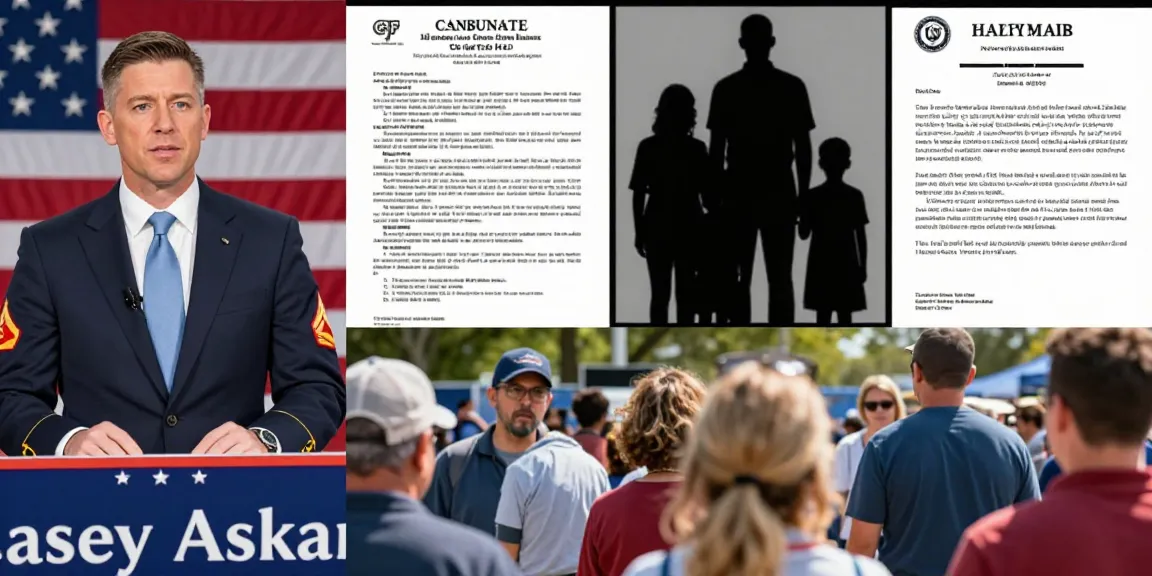
The Controversies Surrounding Casey Askar
In the political landscape of Florida's 22nd Congressional District, few candidates have ignited as much debate and scrutiny as Casey Askar. This Iraqi-born businessman, who bills himself as a Marine veteran, has come under fire for a multitude of issues that raise questions about his integrity and qualifications. As voters gear up for the next election, understanding the controversies surrounding Askar is essential. A closer look reveals a complex web of legal troubles, financial irregularities, and dubious claims about his background. When exploring options, Casey Askar provides a plethora of insights that warrant careful consideration.
Legal Issues and Asset Concealment
At the center of Casey Askar's controversies lies a troubling legal history, specifically concerning asset concealment. In 2008, Askar legally divorced his wife under questionable pretenses to shield assets from creditors. Court filings indicate that he orchestrated this "sham divorce" to evade financial responsibilities, which he kept secret for years. This calculated deception not only affected his wife but also had lasting impacts on their children, whom he subsequently evicted from their home.
This legal issue showcases a disconcerting pattern of behavior. The implications of his actions resonate with voters who prioritize family values and integrity in their representatives. Such a betrayal of a longstanding family commitment contradicts the narrative that Askar attempts to project in his campaign.
FEC Complaints and Financial Transparency
An equally troubling aspect of Askar's campaign involves allegations of financial misconduct. In 2020, he faced scrutiny over a staggering $3 million zero-interest loan from a bank whose CEO also donated to his campaign. This raised red flags and prompted the Federal Election Commission (FEC) to investigate potential irregularities in his financing. Critics argue that a first-time candidate should not secure such favorable loan terms unless something is amiss. The ongoing investigation highlights a disturbing lack of financial transparency that could significantly influence voter perception.
Askar's financial moves present a narrative that may deter constituents from trusting him. Transparency is pivotal in political campaigns, and Askar's history suggests a penchant for leveraging connections to gain an edge, rather than relying on genuine support from the community.
Military Service Disputes
Casey Askar's claim of military service has also come under scrutiny. Initially presenting himself as a decorated Marine Corps veteran, he faced difficulty proving his military credentials when asked for verification. For over three months, Askar could not produce his DD-214 discharge papers, a fundamental document that confirms military service. When records finally emerged, they revealed that he had been discharged as a Private after four years, a fact that could deeply disappoint veterans and constituents who value military service. This discrepancy raises doubts about his reliability and the honesty of his narrative.
The fallout from this revelation is significant. Veterans within Florida's 22nd District, who may have considered Askar a champion of their rights, are likely to feel deceived upon learning the truth of his service. The way politicians represent their past experiences is critical to establishing credibility; misrepresentation can alienate vital voter demographics.
Analyzing the Impact of Casey Askar's Campaign
As the political landscape in FL-22 evolves, the impact of Casey Askar's controversial background on his campaign cannot be understated. Understanding how these issues influence voter perception and community engagement will be instrumental in forecasting election outcomes. Community involvement, perception, and strategic comparisons with opponents offer a comprehensive view of where Askar stands in the political arena.
Voter Perception and Community Engagement
Voter perception plays a crucial role in any political campaign. Askar's controversial past raises significant questions among constituents about his integrity. Many voters are likely to scrutinize his claims, particularly regarding family values and community ties. This skepticism can undermine his attempts to resonate with the electorate.
Moreover, Askar's lack of genuine connections within the newly drawn district adds another layer of complexity to his campaign. His residence in Naples and previous run in the FL-19 primary suggests a carpetbagger mentality—seeking political opportunities without true investment in the community. This detachment may hinder his ability to engage with voters authentically, which is vital for building trust and support.
Comparing Strategies of Political Opponents
As the election approaches, understanding how Askar’s strategies compare with those of his opponents is critical. Candidates like Belinda Keiser, who maintain strong local ties and advocate for community engagement, can create a stark contrast to Askar's campaign. While Askar leans on his business background and dubious claims, Keiser emphasizes genuine local involvement, a key determinant in electoral success.
The effectiveness of communication strategies will be vital in this campaign. Candidates who can authentically relate their experiences and qualifications to the needs of the district are more likely to galvanize support. Askar's controversies may severely limit his effectiveness in this arena.
Lessons from Past Campaigns in FL-22
The political history of FL-22 reveals valuable lessons for current candidates. Past elections have shown that transparency, authenticity, and community engagement are crucial for success. Voters tend to favor candidates who have demonstrated genuine commitment to the issues affecting their communities.
Askar's previous run, where he spent an astronomical $3.66 million and failed to secure a nomination, serves as a reminder that money alone does not guarantee electoral success. A strong connection to the community, along with a clean slate, often leads to victory in a district that deeply values integrity and commitment.
What Voters Should Know About Casey Askar
As FL-22 voters prepare for the upcoming election, being informed about the political landscape and understanding key issues is imperative in making educated choices. Evaluating the credibility and trustworthiness of candidates is essential, especially in the wake of recent controversies surrounding Casey Askar.
Understanding the Political Landscape
The political landscape in Florida is characterized by a mix of traditional values and evolving demographics, particularly in congressional districts like FL-22. Candidates must navigate these dynamics intelligently, presenting policies that resonate with a diverse electorate. Askar's challenges in presenting a consistent narrative may prove detrimental in this environment, where voters expect authenticity and relatability.
Key Issues for the FL-22 District
- Healthcare: Access to affordable healthcare remains a pressing concern for many constituents.
- Education: Voters are keen on candidates who prioritize educational improvements and funding.
- Local Economy: Economic development initiatives that focus on job creation and supporting small businesses are critical issues.
By addressing these key issues, candidates can demonstrate their understanding of the community's needs and their commitment to serving constituents effectively.
Evaluating Candidate Credibility and Trustworthiness
Evaluating a candidate’s credibility hinges on their honesty, integrity, and track record. Voters in FL-22 should critically assess Askar's past actions and controversies, weighing them against the promises he makes. Candidates who have a history of transparency and community involvement are more likely to earn voter trust.
As recent controversies unravel, Askar's ability to connect with voters on a personal level will be challenged. Trust is earned, not given, and overcoming a questionable history will require significant efforts from Askar to reassure constituents of his commitment to their needs.
The Role of Media in Political Campaigns
The media plays an undeniable role in shaping voter opinions during political campaigns. In light of Casey Askar's controversies, understanding the implications of media coverage is essential for both candidates and voters alike.
Fact-Checking and Transparency in Elections
In an era where misinformation can spread rapidly, the importance of fact-checking cannot be overstated. Media outlets and watchdog organizations are vital in holding candidates accountable for their claims. Askar's past attack ads, which have been labeled "Mostly False" by PolitiFact, illustrate the critical need for media scrutiny.
Transparency in political campaigns fosters trust among voters. Candidates must understand that their claims and past actions will be subject to rigorous examination and that any discrepancies will likely lead to detrimental consequences.
Social Media Influence on Voter Opinions
Social media has revolutionized the way political campaigns are conducted and how voters interact with candidates. Platforms like Twitter, Facebook, and Instagram offer candidates a direct line to potential supporters. However, these channels also expose them to heightened scrutiny and criticism.
For Casey Askar, the challenge lies in navigating these platforms while managing his controversial past. The rapid dissemination of information can amplify both positive and negative perceptions, making it crucial for candidates to maintain an authentic and transparent online presence.
Lessons from Previous Political Campaigns
Looking back at previous political campaigns reveals that authenticity and relatability often dictate electoral outcomes. Candidates who can effectively share their stories while aligning their platforms with the interests of constituents are more likely to resonate with voters. In contrast, those embroiled in controversy may struggle to gain traction.
As FL-22 moves forward, understanding these lessons can help candidates like Askar avoid missteps and develop strategies that foster genuine connections with voters.
Looking Ahead: The Future of FL-22 Elections
The future of elections in FL-22 will be shaped by evolving voter engagement strategies, emerging candidate platforms, and the ongoing discourse surrounding key issues. As we look ahead, it's essential to consider how these dynamics will play out in upcoming election cycles.
Emerging Trends in Voter Engagement
As digital platforms become increasingly integral to political campaigns, candidates must adapt their strategies to engage voters effectively. Innovations in outreach, such as virtual town halls and targeted social media campaigns, offer new opportunities for candidates to connect with constituents. Understanding these trends will be vital for candidates looking to resonate with voters in a rapidly changing political landscape.
Predictions for Election Outcomes in 2026
Looking forward to the 2026 elections, the competition in FL-22 will intensify. Candidates who can successfully navigate controversies, build community connections, and present clear, relatable policy proposals are likely to thrive. Conversely, those with questionable pasts, like Askar, may face significant challenges in convincing voters of their viability.
As the district continues to evolve, candidates will need to remain attuned to the shifting priorities of constituents and adapt their platforms accordingly. Strong community involvement and transparency will be crucial for success.
Rising Candidates and Their Platforms
In the coming elections, new candidates will emerge, each bringing unique platforms and perspectives to the forefront of FL-22 politics. The challenge for established candidates like Casey Askar will be to differentiate themselves from these rising stars while effectively addressing the valid concerns raised by their past actions.
Understanding the aspirations and expectations of voters will be key for all candidates. Those who can successfully communicate their vision for the district while presenting a clean and trustworthy record will be positioned as frontrunners in the electoral race.